For supporters – I accept donations via the following paypal button:

Also please take a look at my Patreon HERE (click link)
I know, I know. Some of you will visit my website, see the donate button and cringe. So why is it on here?
Lately, the readership of my website has been through the roof, and I would like to thank everybody for visiting. I have been inspired to work hard on it and improve it as much as I can. Unfortunately, I can’t pour as many hours into this website as I would like to. This is because next to this website, I also maintain a YouTube channel, many forms of social media, and breed over 40 species of butterflies and moths a year! Not only that, I also volunteer in insect collections, I do my own scientific research which I also publish in scientific journals, and write books and guides about my hobby. All of this costs me a disproportionate amount of time and effort. As you can see, insects have swallowed up my free time, and my life.
I don’t expect other people to pay for me and my hobbies. However, some of my projects, such as this website, don’t just have my entertainment in mind: they are for you. I would really like offer all of this information free – in fact I’m a strong believer in free and accessible knowledge. Your donation simply makes it easier for me to keep all this information online for free, since it compensates for all the time and money I have poured into it myself.
So is it a problem that it costs me time and money? Not really – in fact, it’s my own decision. But it can make it hard to find time and motivation – not only is time limited – so are my resources. In fact, running this website costs me money, and so does buying livestock to breed, subscribing to scientific journals to publish in, and so does researching butterflies and moths, since I am an amateur researcher. I often pay for the equipment or information needed by myself – even many sorts of books and publications are not free to use for everybody. Nothing in this world is truly free, neither is server space, neither is doing a GC-MS to look at the defensive secretions of my caterpillars, neither are the shipping costs of transporting cocoons and pupae over all the world, neither is ‘free’ time in fact. Do I expect other people to pay for this? Definitely not! I do it out of pure interest and passion for this subject.
However, donations simply make it easier for me to carry the weight. By keeping this option open, I get a small return on my time and effort. In fact, it would be pretty great if this website became self-sustaining. It is not really my ambition to make it profitable, although that would also be welcome, as I would simply re-invest it in upgrading this website. That would make it worth my time even more. Donations are only for those who are willing and able to pay. This website will always be for free. So if you are willing and able, your contribution is much appreciated. And if you are not able, or not willing, then your readership is also appreciated.
Rewards
For those who donate via Patreon, e-books and guides are available for free or at a discount, and so is equipment and butterfly and moth pupae/eggs. For that I would like to refer to the products or sales section.
For those who use the paypal button, e-mail me if you are looking for something, the same benefits could apply to you as people that donate on patreon. I am also actively working on the sales section and more information and e-books will come available in the future.
What are my donations used for?
- Compensating for website (WordPress) costs
- Compensating for the cost of additional storage space for images
- Compensating for the costs of my research
- Obtaining eggs and cocoons of interesting species to display on my website and YouTube channel
- Consuming large amounts of pizza and energy drinks (just kidding.. or am I?)
- Compensating for the costs of literature, publications and subscribtions to entomological journals
- Motivating me (yay!) to improve this website
Other ways to help!
If you wish to contribute to me and my goals one way or another, there are a few other things I’m looking for.
Spelling: First of all, English is not my native language and for that reason this website can contain spelling mistakes, improper wording or weirdly worded sentences that make no sense at all. I also tend to confuse or misspell some words. If you are one of my readers and have spotted a misspelling or language error, then please report it to me so I can correct it – this helps me improve the quality.
Submit information: I am looking for interesting stories of unusual species of butterflies and moths being raised in captivity, including pictures, as part of my community project The Rearing Archives. Have you raised obscure, rare or unusual species? Then please post them to me, and consider me hosting your story on my website!
Livestock exchange: I am always looking for cocoons and eggs of interesting species to add to my website. Especially eggs from Saturniidae, Lasiocampidae and other families featured on my website are welcome; I may even offer you an attractive price for them. Species that are not featured on my website as caresheets are species I don’t have enough pictures of, and breeding more of them would be a welcome experience. I am also looking for many species from Africa, South America and temperate to tropical Asia.
Like and subscribe: That’s a simple, but important one. For somebody with such a specific hobby, I do have moderate ‘success’ and even a reasonably large following on social media. My YouTube account, Instagram, Facebook – you name it, each follower helps! I also encourage readers to share my website with others.
Was this information helpful to you? Then consider contributing here (click!) to keep this information free and support the future of this website.

 The threat pose of Paradirphia reveals a beautifully decorated abdomen
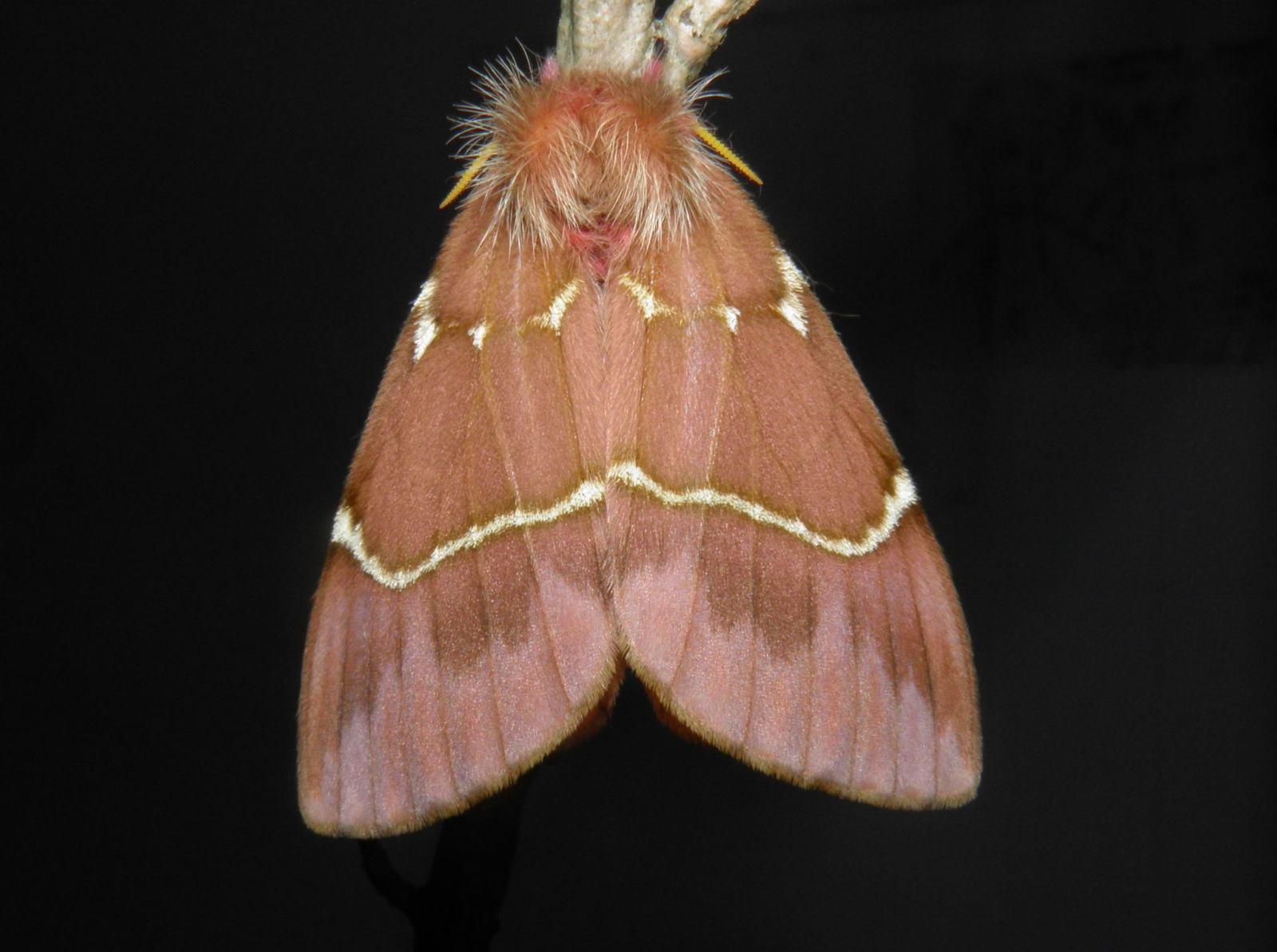 Adult Paradirphia semirosea in resting position. Pretty in pink!
 Larvae of Paradirphia in several instars feasting on oak
 Paradirphia semirosea larvae: a handfull of stingers!
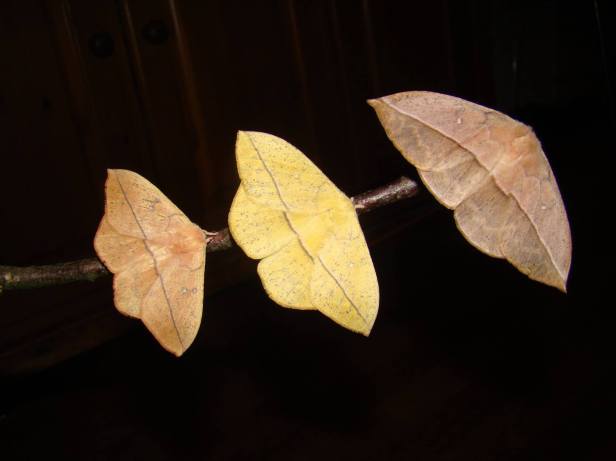 Lonomia electra: amazing polymorphism showing a diversity in leaf camouflage
 A larval congegration of Lonomia electra on my hand
 In the picture: one larger, greyish female (botton left) and three males (top) – showing both colour forms the males can have, the orange and yellow form.
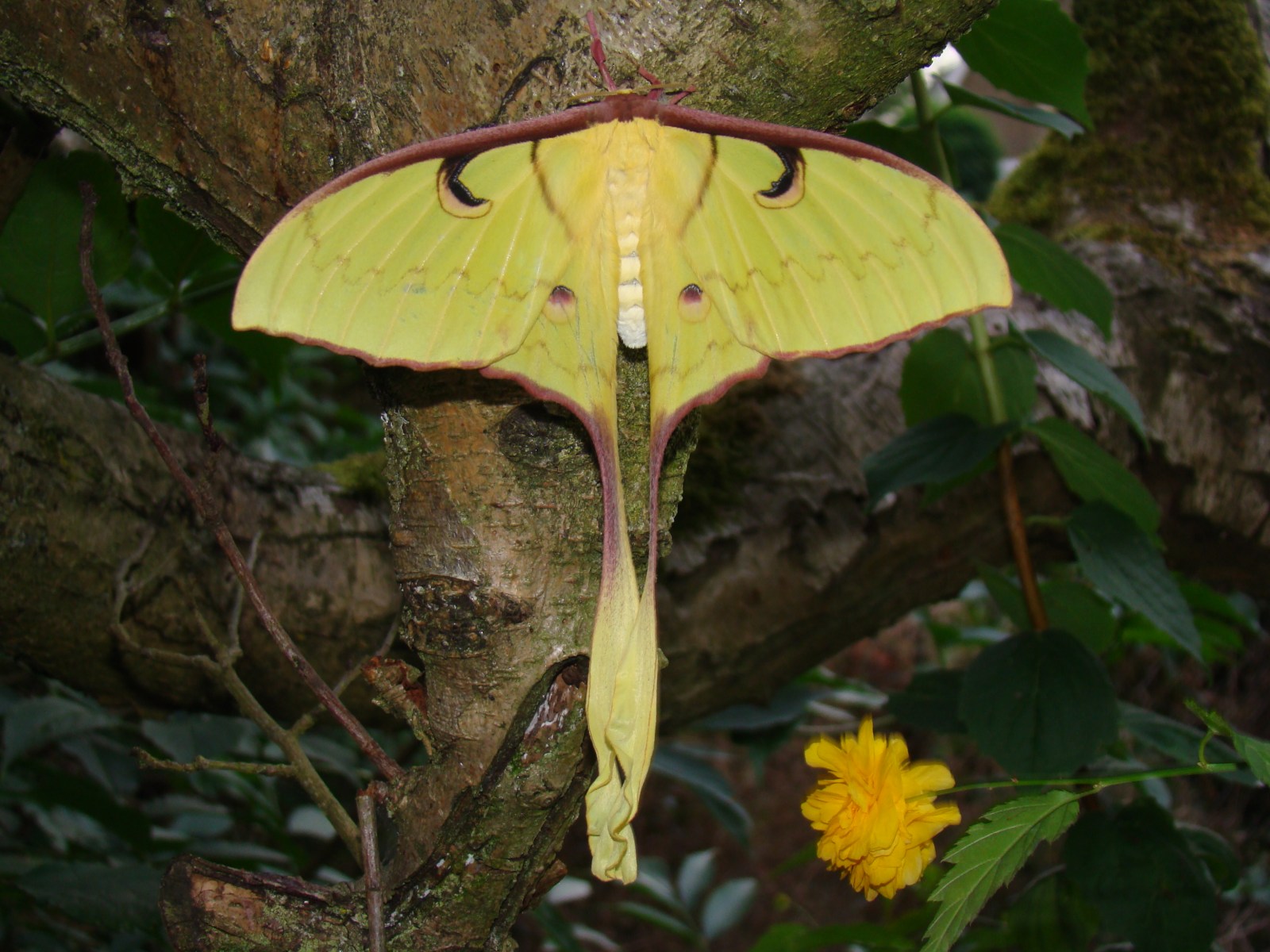 Actias maenas female
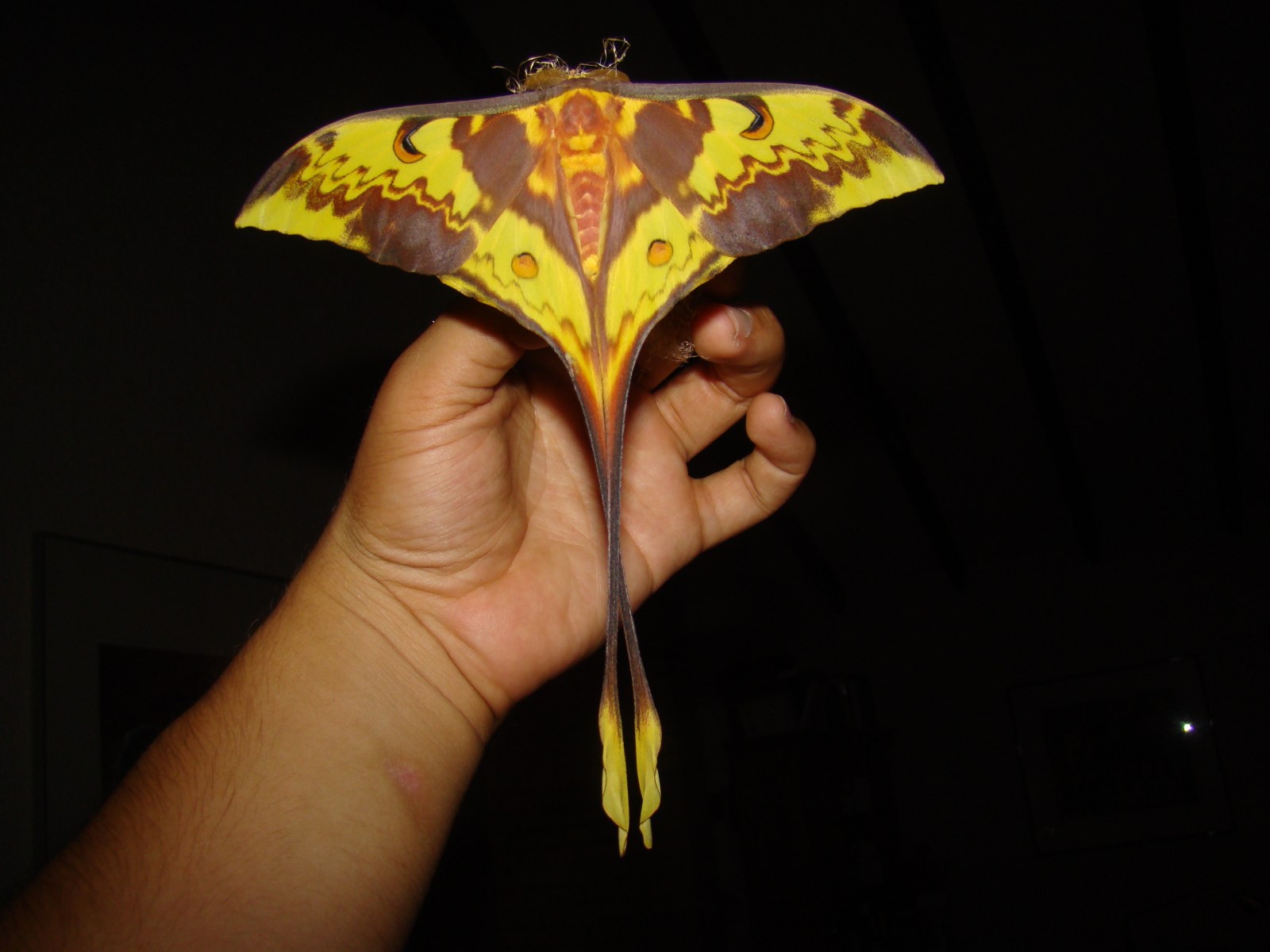 Actias maenas male
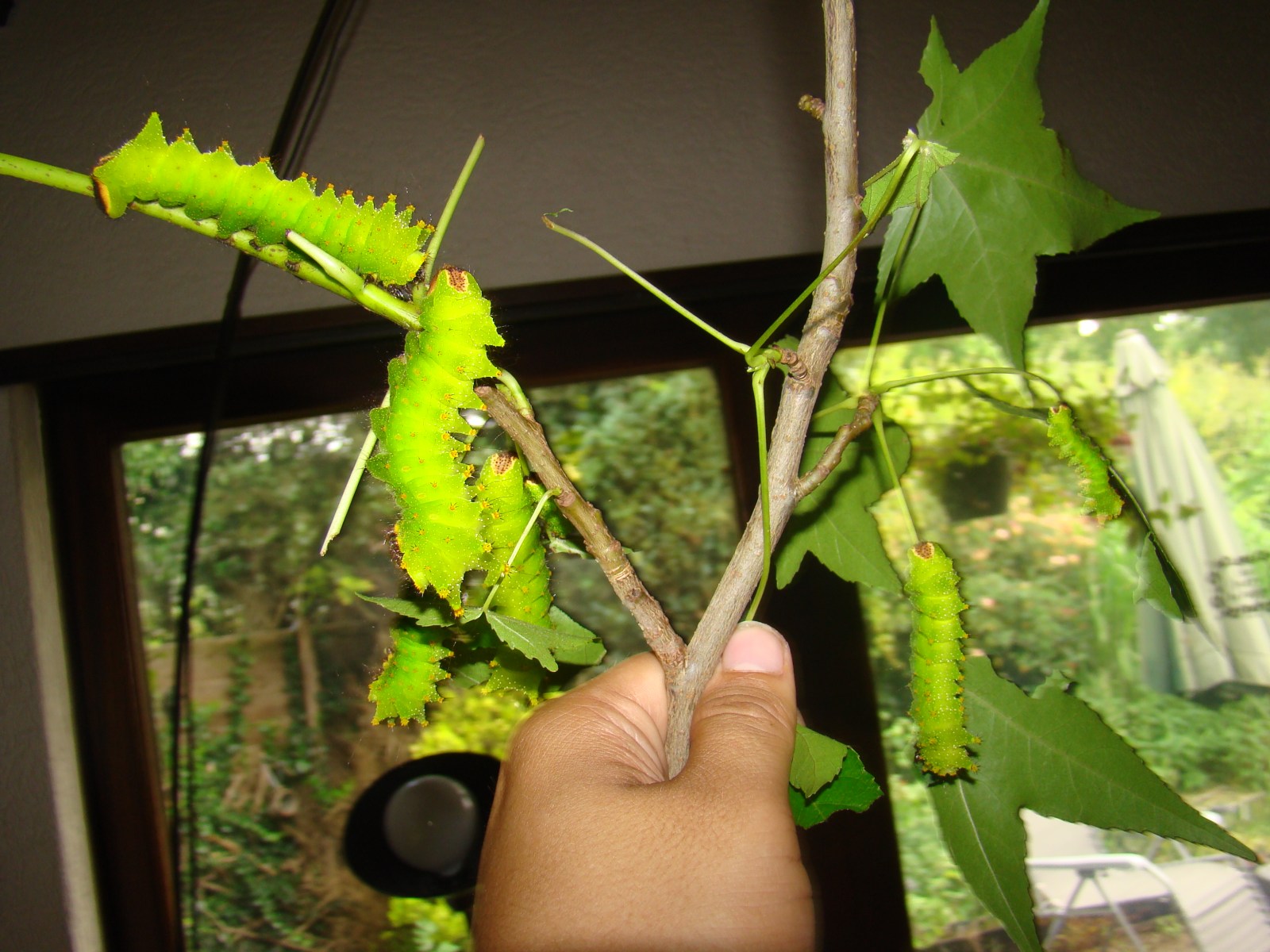
 Fully grown larvae of Actias maenas on Liquidambar
 A tree full of Actias maenas larvae
 Welcome, visitor!